For more than two decades, Light of Life International (LOLI) has filled stadiums across Latin America and Africa with tens of thousands of people searching for hope and healing, prayed over presidents, and walked door to door through some of the most dangerous cities in the world, all to carry the gospel and compassionate care to people other organizations can't reach.
Ardent's relationship with LOLI is older than Ardent itself. It started long ago with a single childhood friendship between Brad Ball and LOLI founder Stephen Evans.
Over the years, that friendship has grown into a real working partnership. Ardent manages LOLI's social media, led a recent website overhaul, and produces materials for events like their annual golf tournament and fundraising banquet. But it goes further than that: Three members of our leadership team have now gone on mission trips, seen what LOLI's work looks like on the ground, and come home forever changed.
Here's what Brad Ball, David Canington, and James Canington had to say about their experiences with LOLI and why none of it has left them since.
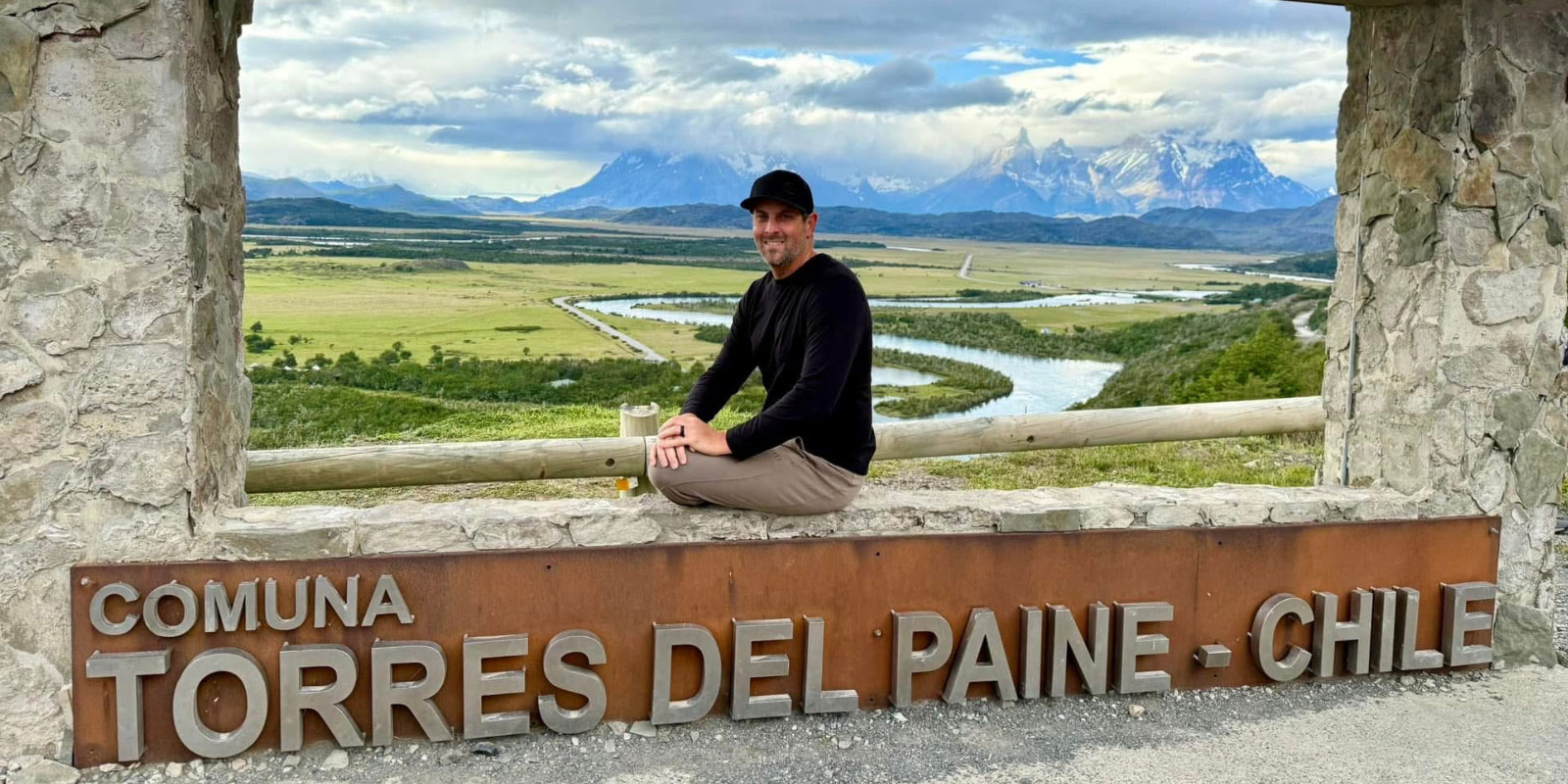
Brad Ball, Co-Founder
How did your relationship with Light of Life International begin, and how many trips have you been on?
I have known Stephen since we were kids. He was also my college pastor and took my wife, Leah, and me on a couple mission trips to Ireland. Now you're making me count… Between actual trips and scouting trips, I've been on more than 20 with LOLI. What keeps bringing me back is the people, and seeing the impact the ministry has on the areas they reach. They don't take any money from the local community, the goal is always to give into that community.
Is there anything about these trips that has changed the way you see everyday life once you're back home?
It was hard to come back to the local church after experiencing the kind of love people had there. It wasn’t built around money, possessions, or what someone could offer. It was simply people loving people.
It made me realize how much we, as Americans, convince ourselves that we need more in order to be happy. More money. More things. More comfort. But I met people who had far less materially and, in many ways, seemed to have far more of what actually matters. They didn’t need the materialism we’ve been taught to chase in order to find joy.
In many ways, they seemed happier than we are.
At what point did you realize this wasn't just your mission anymore, that it was becoming part of Ardent's story too?
LOLI was started before Ardent, so as we grew it was always a part of the story. The way we could give back beyond ourselves. That our small business could have as big of an impact on our world. Even more so than a local church.
Over the years, what's been the biggest change you've seen, either in the ministry itself or in the communities it serves?
The biggest is the cities being changed. The first national Crusade was in San Pedro Sula, Honduras, at the time the second most dangerous city in the world, known as the 'murder capital of the world.' The president at the time got on stage and prayed for his nation. Today (the murder rate) it's in the 40s, right next to Baltimore. We also went to Soyapango, a suburb of San Salvador, where pastors told us they'd have a murder every day. During the follow-up, day one goes by, no murder. Day two, none. This went on for several days.
Is there one experience that has stayed with you the most, and what was it about that experience specifically that made it stick?
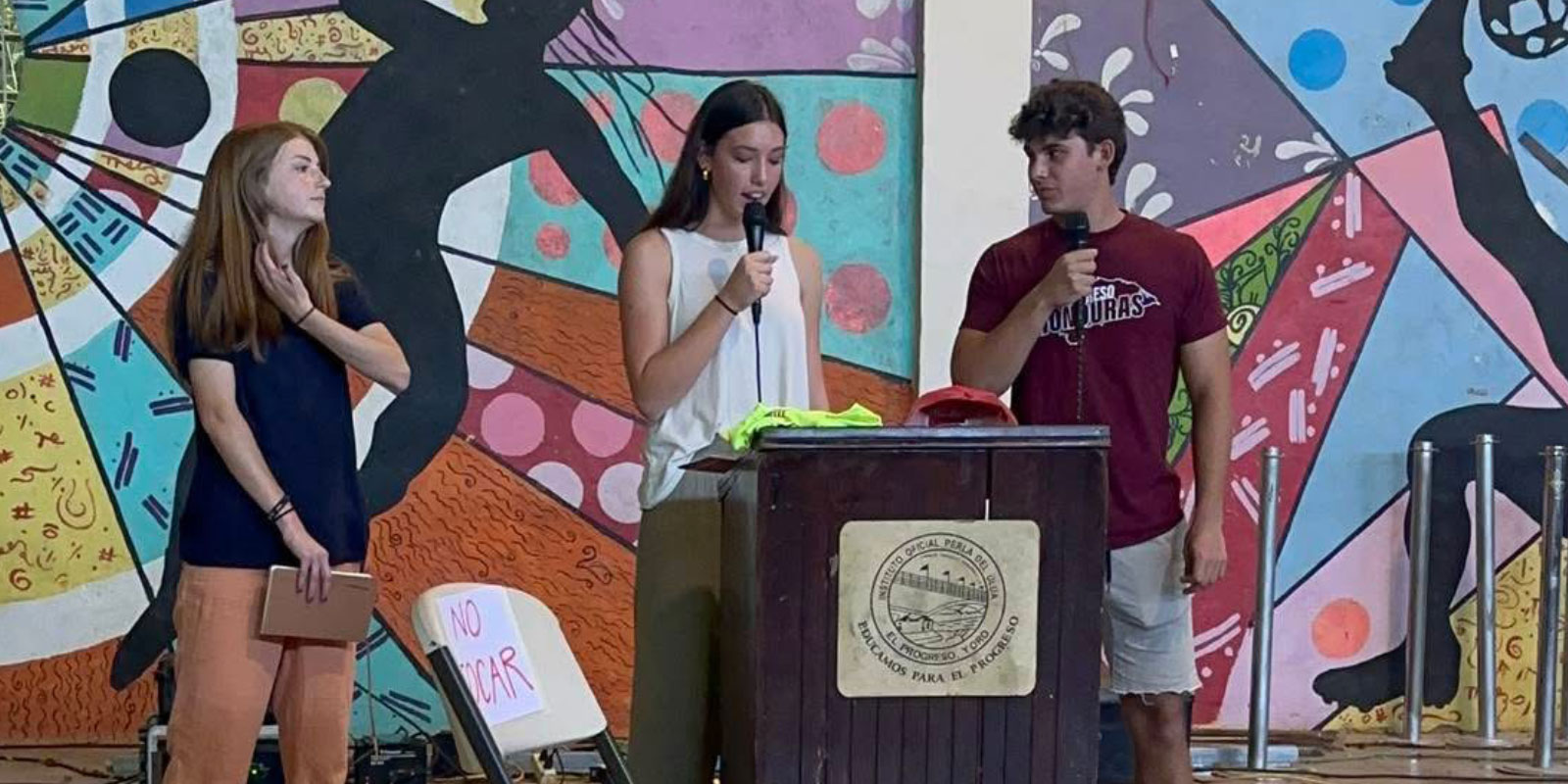
Leah and I took the twins to Tegucigalpa in 2018, but the biggest impact would be taking Tori on a daddy-daughter trip to Peru. She stepped out of her comfort zone and shared her testimony in front of 1,200 students. She'd never done anything like it before.
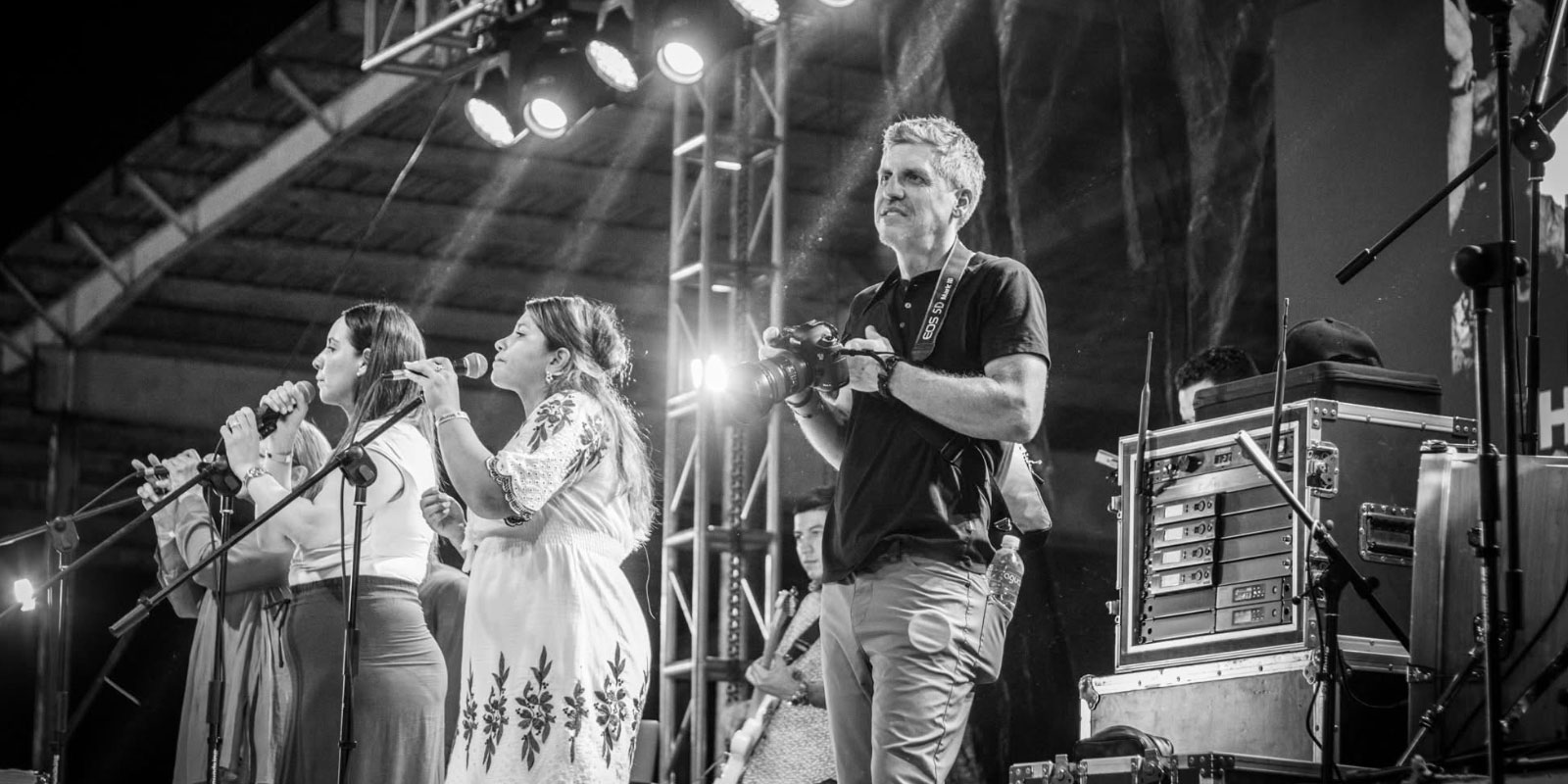
David Canington, Co-Founder
What made you decide to get on a plane and go experience a LOLI Crusade yourself?
The truth is, I didn't want to go. I had been asked for years, and I always had a good reason not to. But if I'm being truthful, I think there was something deeper. I knew I would see things I didn't necessarily want to see. There's a cost to truly seeing something. Once you see it, you become responsible for what you do with what you've seen.
Then my son Colin came to me and said, "Papa, can we go on a LOLI trip?" That changed the equation for me. This time I said yes.
I went partly as a dad, partly to serve, and partly to step into the photography role that Brad has filled so well for LOLI over the years. I thought I was going to Honduras to help document the story. What I didn't realize was how much God was going to use the experience to change the way I saw the story.
Is there a specific trip or person that changed how you think about the ministry, or about your own faith?
I've known Stephen for almost 30 years. I vividly remember sitting with him in an Uno's Pizza probably 15 years ago when he went into what I would call full preacher mode, talking about the vision for this ministry. I believed him. But there's a difference between believing your friend and standing in Honduras and seeing the thing he was talking about actually taking shape. Then there's Anna, Stephen's daughter. At the time she was 15, and watching her made me reconsider some of the ways we measure a meaningful life. Those two perspectives collided for me: someone who has faithfully pursued a vision for decades, and someone just beginning her life who already understands that her life can be given to something bigger than herself. That's where my own faith was challenged.
What do you think makes Ardent and LOLI a good fit?
At the simplest level, Ardent is a company of builders. We build brands, websites, systems, technology, and ideas. We take something that doesn't exist yet and help make it real. LOLI is building too, just on a completely different scale. They're building into people, families, communities, and ultimately trying to participate in the kind of transformation that could affect a nation.
I think there's also something important about the length of the relationship. This isn't something Ardent discovered last month and decided would make a good partnership story. There are real friendships here. There's history here. We've watched this work develop. And now several people from Ardent have actually gone and experienced it themselves. That makes the relationship personal.
James Canington, Director of Marketing
When you came home after your first trip, what stuck with you the longest?
How easy we have it in the United States, not just basic comforts but the comfort of the church. We will skip church if it's raining. These people were enduring a lot of discomfort just to be able to worship Jesus, whether it was the lack of a building or the elements. That really stood out to me and was very impactful: the American church is so uncomfortable with discomfort.
Is there one person from any of your trips that you still think about today?
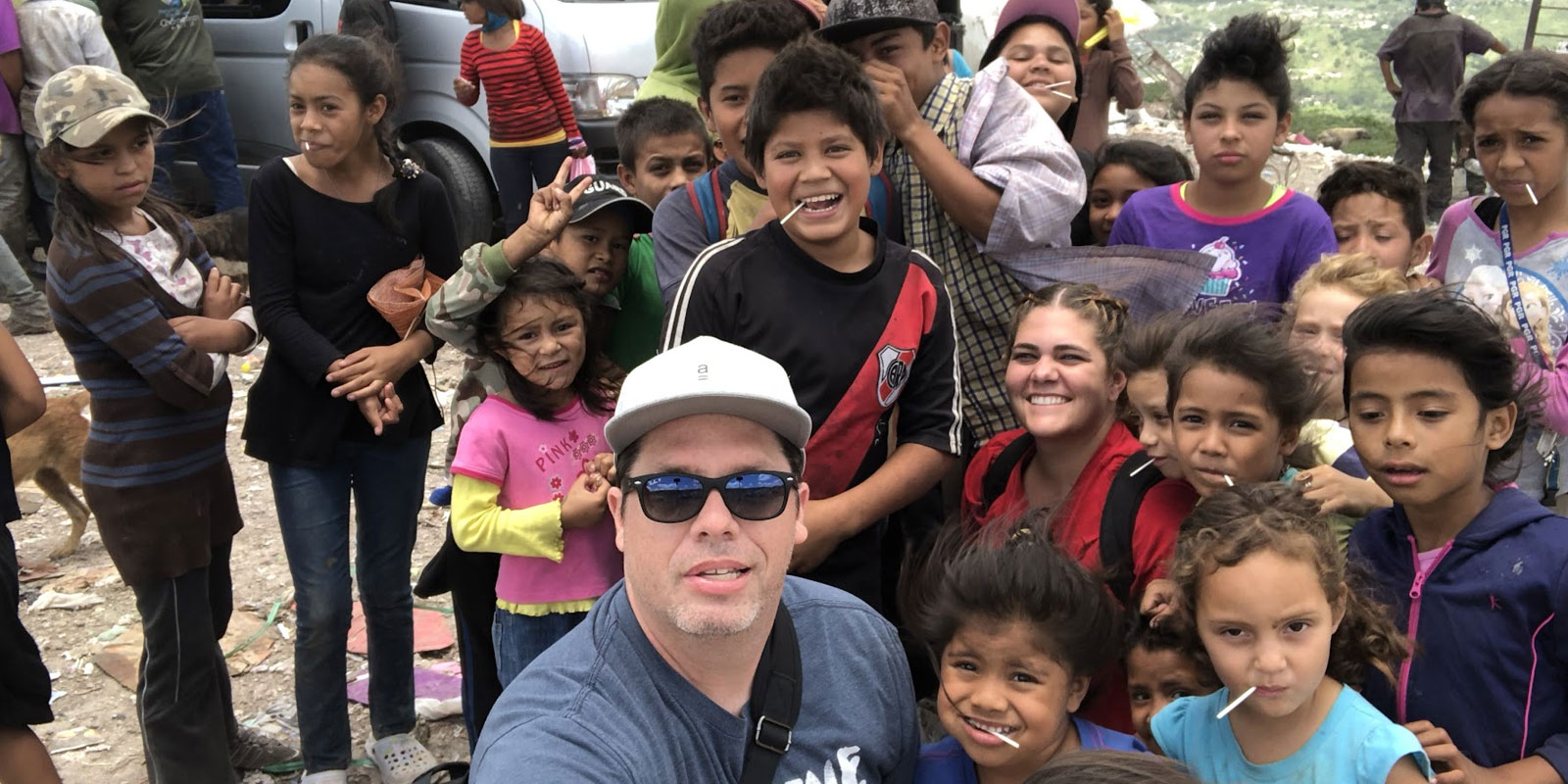
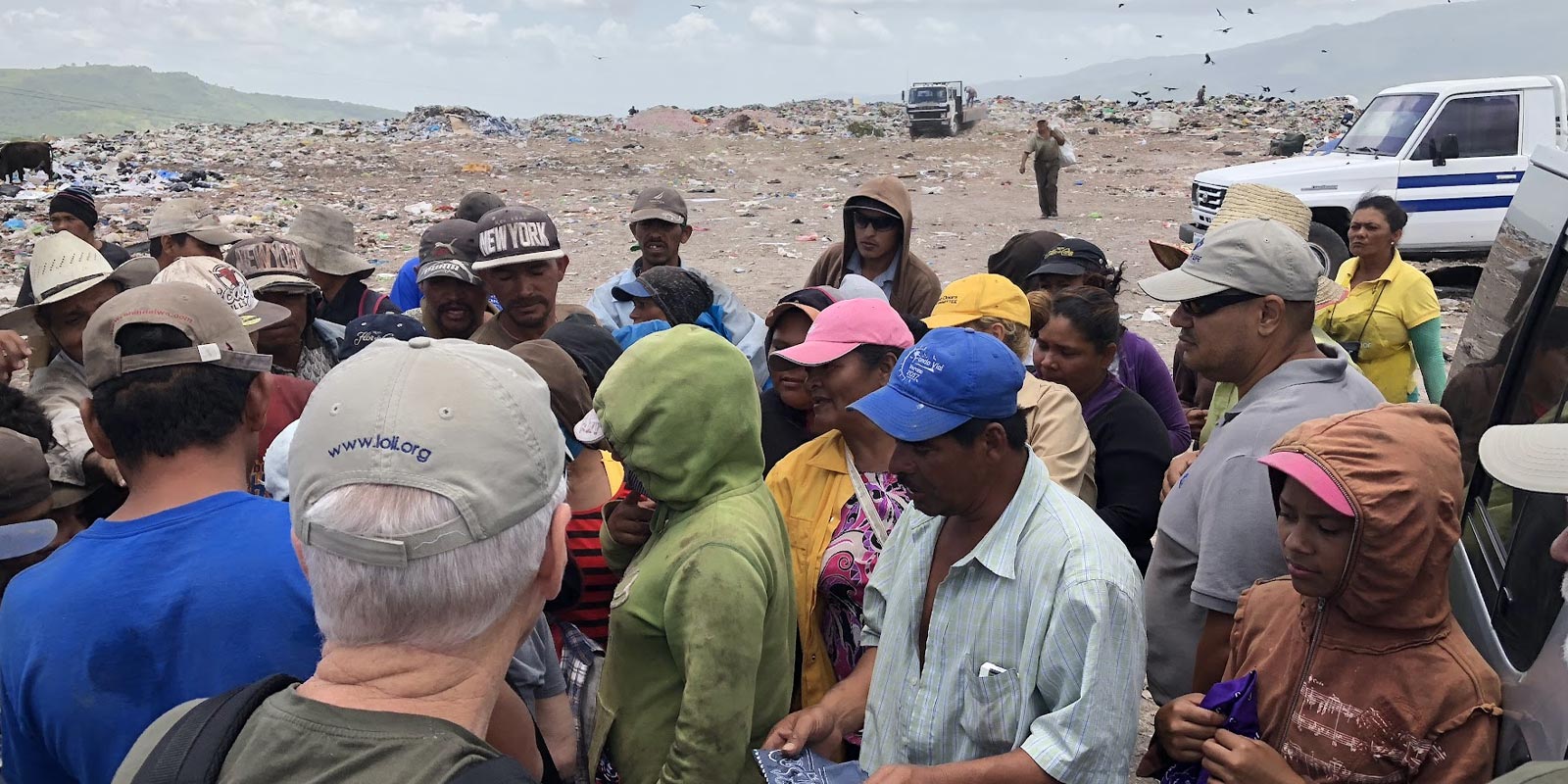
There are two. One of them was a little girl, probably seven, eight or nine years old. She, along with hundreds or thousands of others, lived in a literal garbage dump. Many children lived there, playing among the trash. They scrounged through the garbage for recyclables, and the recycling companies drove up and paid them a penny per pound. They used that money to buy food from vending trucks that sold Frito-Lay products and Pepsi. Those few pennies were their entire diet. I took some pictures with the little girl; she was so happy and beautiful, but she didn’t realize that living in a garbage dump was not normal or how it should be. That moment was very impactful.
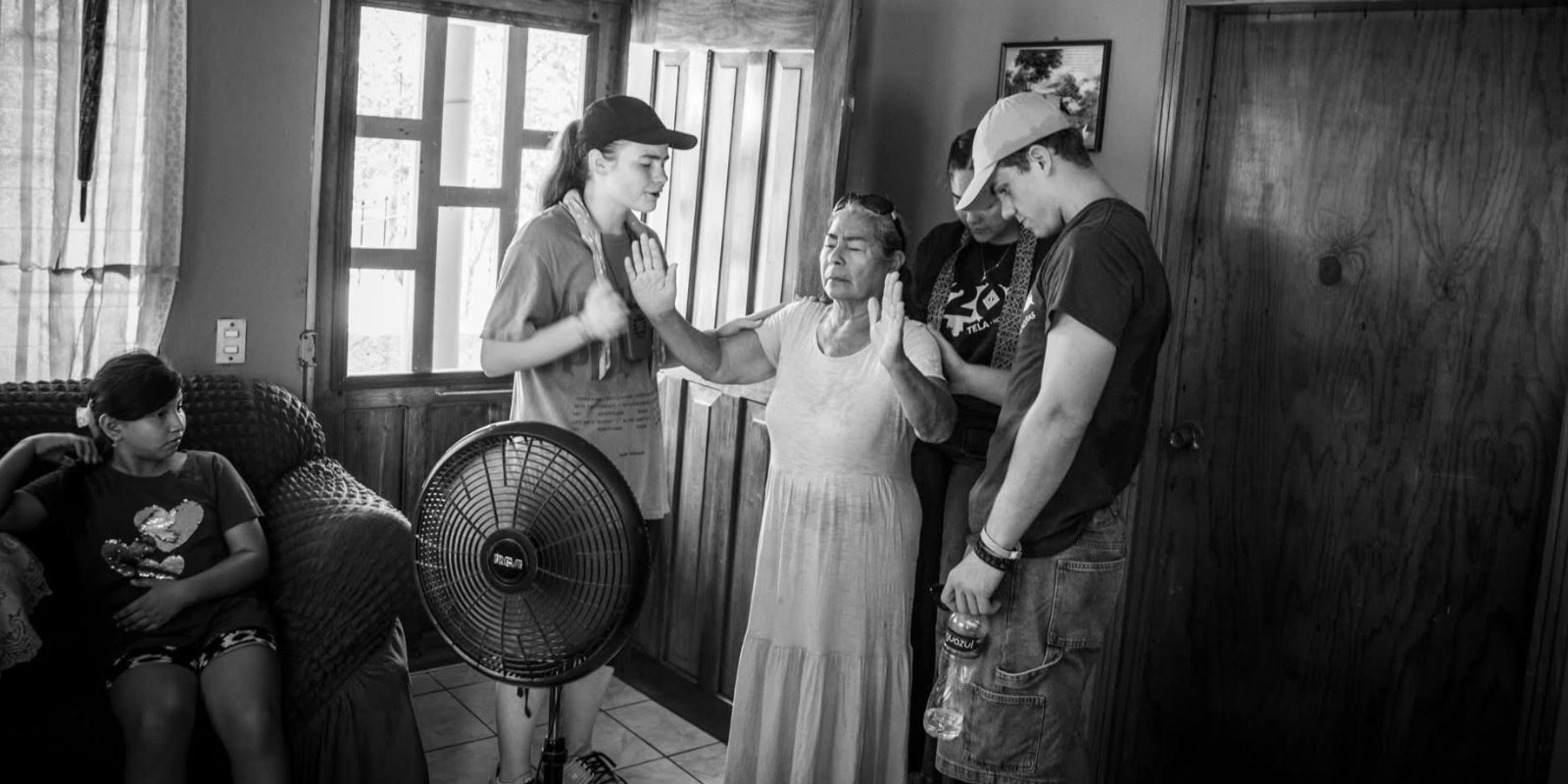
The other was a woman whose door we knocked on. She talked about the witchcraft in the area, and said she was scared because witches had been threatening people. She had been praying for revival in Honduras, and wanted safety for her children. Her story was heartbreaking.
What's something you wish more people here could understand?
The desperation they are feeling. The level of poverty in Honduras is overwhelming. But when I say desperation, these people don't have any hope outside of Jesus. No ambulance is going to come because they're in a place where no one can get to. In America we have the illusion of safety, the illusion that everything's one call away. That fools us into thinking we're self-sufficient.
Has this changed how you see your everyday life once you're back home?
It frustrates me how easily I can get back into the American way of thinking. In Scripture, God tells us to remember a lot, and we have to remind ourselves that what we see as a blessing here in America, which is God's blessing on us to be able to worship freely and have the comforts we have, can become a curse if we forget that God gives us these things and we don't realize how destitute we really are.
There's one more question we needed to ask. So we asked David:
When people look through these photos, what do you want them to walk away understanding?
I took 3,736 photos on this trip, and I'm not sure any one of them can actually show you what I saw. A photograph can show you a child's face, a dirt road, a moment of joy. But it can't completely show you what's happening underneath all of that.
I want people to look at these photographs and see more than poverty. I want them to see dignity. I want them to see joy. I want them to see people rather than projects. I want them to see teenagers walking dirt roads with purpose beyond their years, people from different countries and generations serving alongside one another, the body of Christ sweating, serving, laughing, and loving people.
Most of all, I hope the photographs make someone want to look a little closer.
Because there's a cost to truly seeing.
Not noticing. Not observing. Really seeing.
I avoided that cost for years. Now I understand it a little better. Once you've truly seen something, you don't get to go home exactly the same.
And maybe that's the point.